


Складання раціонів
Significant improvements in the productivity and reproductive performance of livestock and poultry can only be achieved through the use of balanced rations.
A professionally formulated recipe serves a dual purpose: it allows you to produce your own feed according to the specific nutritional needs of your animals while effectively minimizing costs. As is well known, animals require proteins, carbohydrates, fats, water, minerals, vitamins, and other specific nutrients for their vital functions. Feeding just one or even a few types of raw materials is often insufficient to provide all these essential elements. However, a balanced ration can be easily formulated by understanding the composition and nutritional value of various feed ingredients.
To ensure nutritional balance, rations must be formulated based on established feeding standards, taking into account the specific needs of animals at different life stages — such as growth, maintenance, gestation, lactation, and egg production. Sudden dietary changes should be avoided, as they can lead to digestive disorders. Therefore, transitions between feeding periods and changes in feed must be planned well in advance.
Accurate nutrition starts with identifying the precise nutrient requirements of your livestock and carefully analyzing the raw materials used to fulfill them.
Energy is the fuel for all bodily functions. It is primarily derived from carbohydrates and fats. Energy is essential for maintaining animal health and supporting production — such as milk, meat, and physical activity. Excess carbohydrates and fats not required for immediate production are converted into body fat and stored as reserves.
Energy is the fuel for all bodily functions. It is primarily derived from carbohydrates and fats. Energy is essential for maintaining animal health and supporting production — such as milk, meat, and physical activity. Excess carbohydrates and fats not required for immediate production are converted into body fat and stored as reserves.
Minerals are responsible for bone tissue formation and the biological regulation of growth and reproduction. Certain elements are required in relatively large amounts and are classified as macroelements (calcium, phosphorus, potassium, sodium, sulfur, chlorine, and magnesium). Minerals needed in minute quantities are known as microelements, or trace elements (iron, iodine, copper, cobalt, fluorine, manganese, zinc, molybdenum, and selenium).
Vitamins help regulate biological processes within the body and serve as a vital nutrient source in the animal products we consume. Different species have specific requirements for certain vitamin groups; for instance, in ruminants, particular attention must be paid to Vitamin A, whereas swine require a significantly higher level of vitamin supplementation compared to ruminants.
Water performs several vital functions within the animal's body, including body temperature regulation, nutrient transport, and tissue structure maintenance. It is essential for saliva production—necessary for chewing and swallowing feed—as well as for digestion, thermoregulation (cooling the body when overheated), and waste removal through urine and feces. Furthermore, water is a critical component for the production of milk and eggs.
Ration formulation can vary significantly depending on your specific goals, available resources, and operational convenience. Some rations are developed as complete feeds—fully balanced and designed to be fed as-is, providing animals with every essential nutrient. Others are formulated as feed additives, premixes, concentrates, or specialized supplements. These are designed to boost energy, protein, vitamins, minerals, and enzymes for animals consuming a grain-based diet.
Each animal species has unique nutritional requirements. For instance, swine require significantly less fiber in their diet than horses or ruminants, such as cows or goats. While poultry have similar calcium requirements to other species, their need for calcium increases more than fivefold during the laying period. Likewise, dairy and lactating animals demand a much higher protein content in their rations compared to non-lactating livestock.
Every life stage necessitates a tailored approach to ration formulation. Growing young stock, for example, requires a higher concentration of essential nutrients, such as protein, because they consume smaller volumes of feed daily relative to their growth rate.
It is also important to note that only a portion of the nutrients in feed is actually available to the animal. The digestibility of many components, particularly plant-based ingredients, is relatively low, and unfortunately, a significant amount of nutrients is lost during the digestion process.
With professionally balanced ration formulations and a structured transition program for every life stage, you can significantly reduce feed costs by mixing your own feed on-site.


Please select the region where you plan to use our products. This helps us understand your geographic accessibility and specific local requirements, ensuring we provide the most effective logistical and technical support.

Please select the region where you intend to use our products. This information enables us to assess your geographic accessibility and tailor our logistics and nutritional solutions to your specific regional needs.

Please select the region where you plan to use our products. This step allows us to determine your geographic accessibility and better understand the specific needs of your farm, ensuring we provide optimal logistical and nutritional support.

To ensure the best results, please select the region where you plan to use our products. This information helps us assess your geographic accessibility and assign a dedicated expert to provide on-site guidance, ensuring a smooth transition to your new feeding program.
Цей блок описує «золотий стандарт» інгредієнтів та критично важливий баланс між енергією та фізіологічним об'ємом шлунку. Для англомовної версії сайту або фахової статті пропоную наступний переклад:
The Foundation: Corn-Soy Diets and Fiber Balance
"Modern ration formulation is traditionally based on two core ingredients: corn and soy. Corn provides a high concentration of starch, making it an exceptionally energy-dense and cost-effective fuel source. Soy protein is particularly valued for its superior digestibility and its well-balanced profile of essential amino acids.
To complement corn, other grains such as oats, barley, and wheat are often incorporated. Similarly, soy protein can be substituted or supplemented with other high-protein feedstuffs depending on availability and specific nutritional goals.
Optimizing fiber levels is equally critical for maintaining healthy gut function. Certain species, such as rabbits, horses, and ruminants (cattle, sheep, goats), require higher fiber intake. However, precision is necessary: excessive fiber (lignin, dry cellulose) can fill the digestive tract without providing sufficient nutrients, while diets too low in fiber increase susceptibility to disease. Ultimately, formulating a ration is a strategic compromise between the animal's energy demands and its physical capacity: the higher the productivity, the higher the energy density of the ration must be.
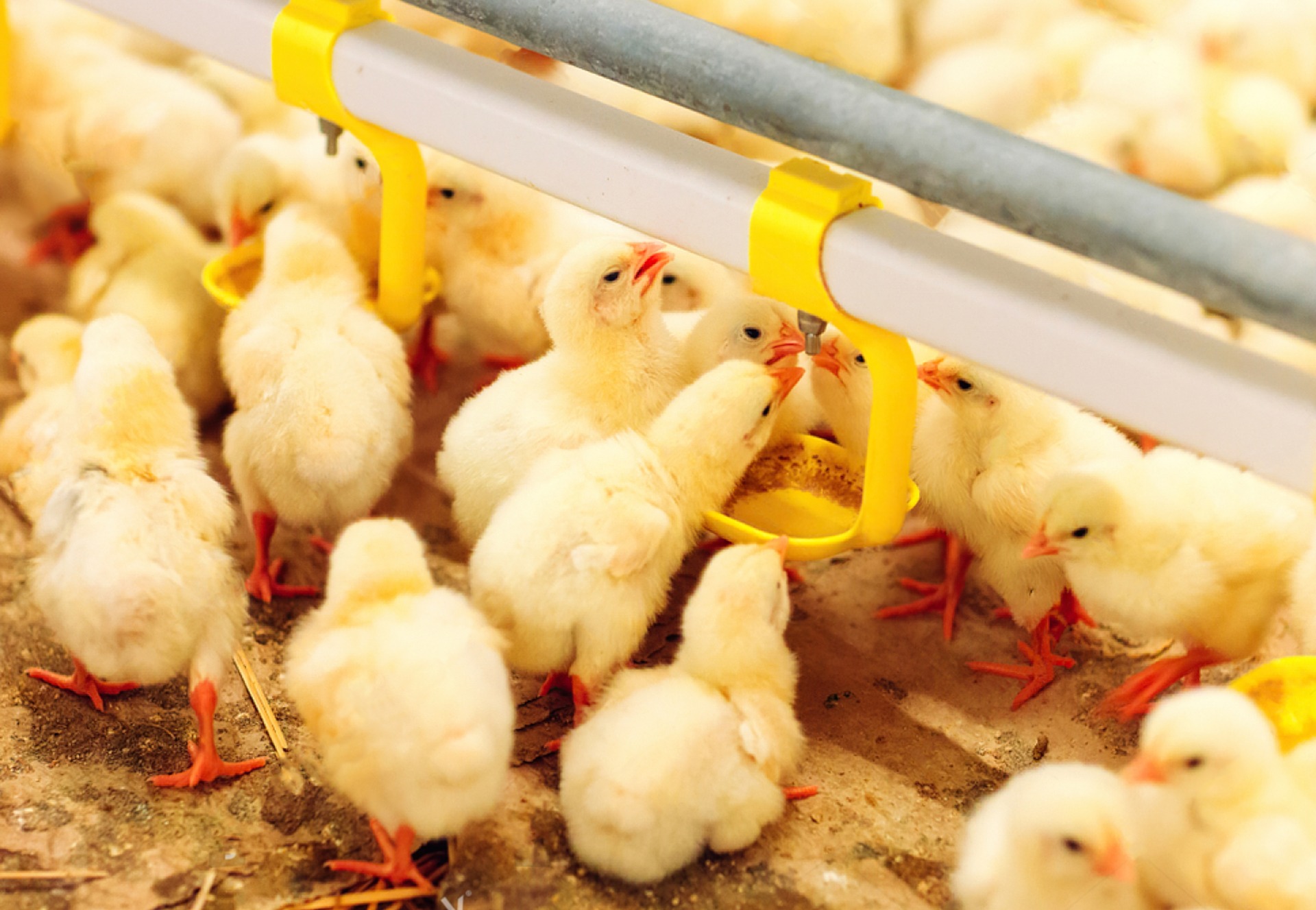

Once the sources of carbohydrates, proteins, and fiber are selected, the feed must be fortified with vitamins and minerals. For this purpose, specialized premixes are formulated, tailored specifically to the species, age, and physiological status of your animals. When the grain base lacks sufficient protein sources, a Protein-Vitamin-Mineral Concentrate (PVMC/BMVD) becomes an essential addition. Unlike standard premixes, these concentrates provide a high protein content alongside vital vitamins and minerals. A well-balanced blend of mineral salts, adapted to local conditions, is the most efficient way to ensure a stable mineral balance in your animal feed.
Get in touch with us for detailed information or to request our professional ration formulation service. Our experts are ready to help you optimize your farm's performance.

Our specialists will get back to you shortly!
Our specialists will get back to you shortly!
Send us your resume, and we’ll find the right role just for you.
Something went wrong. Please try submitting the application again.
